
Three years is the key RICS review point , but it should not be treated as a reason to leave your sum insured untouched in the meantime. RICS guidance advises an annual adjustment to reflect inflationary effects, with a major review and reassessment every three years, or sooner where significant alterations have been made to the insured property.
That distinction matters. Your sum insured needs to keep pace with what it would actually cost to rebuild today. Given that Irish construction costs rose by an average of 6.2% in the past year, an RCA completed three years ago may already be materially behind current reinstatement costs.

What Does the RICS Guidance Actually Say?
If your commercial property has a current assessment, completed within the last three years, you’re working from the standard most Irish insurers and brokers recognise. The Royal Institution of Chartered Surveyors recommends a full assessment at least every three years, or sooner where there’s been a material change to the property.
Both RICS and the Society of Chartered Surveyors Ireland align on this. RICS describes this formally as a two-tier model: an annual adjustment to reflect inflationary effects on the declared value, and a full major review every three years, as set out in the RICS professional standard, most recently updated in June 2024. The three-year cycle isn’t a legal requirement, but it carries real contractual weight. Some policy wordings may include Average Clause waiver provisions where a suitable professional reinstatement cost assessment has been completed within a specified period. The availability and operation of any waiver depend entirely on the insurer, the policy wording and the conditions attached. Miss it, and that protection may not apply when a claim is made.
For straightforward commercial properties, every three years is the correct minimum. For complex or high-value assets, including listed buildings, mixed-use properties, or those with specialist fit-out, the interval should be shorter.
Is a Three-Year Reinstatement Cost Assessment Cycle Enough?
Three years was a reasonable benchmark when construction cost inflation in Ireland was stable. It’s not stable right now.
The SCSI reported a 6.2% average increase in house rebuilding costs nationally over the most recent twelve-month period. The rebuild cost of a standard three-bed semi-detached ranges from around €247,744 in the North-West to €312,620 in Dublin. Those figures apply to estate-type residential properties only.
For commercial buildings, which carry the additional costs of demolition, site clearance, compliance with current building regulations, and reinstating specialist fit-out, a 6% annual drift means a figure from three years ago could easily be 15% to 20% short of what it would actually cost to rebuild the property today.
And unlike residential properties, where the SCSI calculator provides a useful public benchmark, there’s no equivalent tool for commercial assets, so the gap stays hidden until a claim forces it into the open.
Building costs don’t move in line with the Consumer Price Index. The distinction matters: CPI tracks food, mortgages and energy costs. Rebuild cost inflation tracks building materials, contractor margins, labour availability and site-specific factors. These are a completely different set of inputs, moving at a different rate.
Materials pricing, labour costs, supply chain pressures, and local contractor availability can all shift significantly without triggering the headline inflation figures that prompt most property owners to act. The gap closes quietly, and it only becomes visible when a claim is made.
For Irish commercial property owners, the three-year cycle sets the outer boundary. It’s not the comfortable midpoint.
That distinction matters most in the situations that sit outside the standard cycle.
When Do You Need a New Reinstatement Cost Assessment?
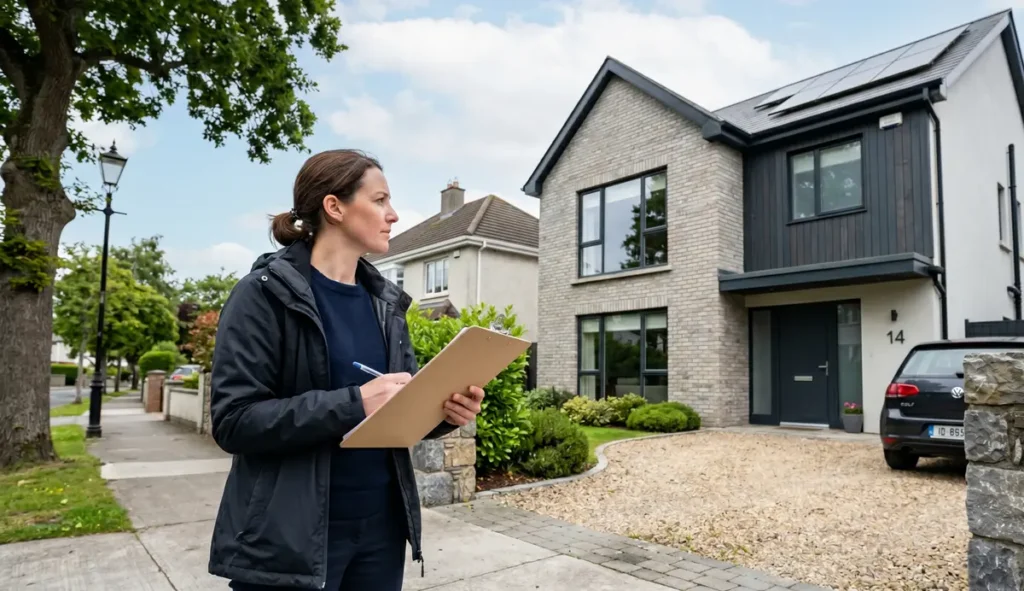
The calendar isn’t the only trigger. Certain events make a new RCA necessary regardless of when the last one was done, and if any of the following apply to your property, the existing figure shouldn’t be relied upon for insurance purposes.
Renovation and refurbishment are the most common triggers. Any material change to the structure, footprint or specification alters the accurate rebuild cost, whether that means adding a mezzanine level, upgrading mechanical and electrical systems, or improving the external envelope. Same building. Different cost to rebuild.
Change of use is equally significant, and often overlooked. A warehouse converted to offices carries a different reinstatement cost to its previous condition. The fit-out standard, fire suppression requirements, and M&E complexity are all different. The footprint can be identical. The exposure is not.
If you’re approaching a mortgage refinancing, a sale or a lease renewal, lenders and acquirers routinely require a current assessment as part of due diligence. An outdated report causes delays at exactly the point where they’re most costly. Worth resolving in advance, not under time pressure.
Regulatory changes matter independently of any site-level work. Updates to building regulations, fire safety standards, or energy efficiency requirements can increase the cost of reinstatement even where the building itself hasn’t changed at all.
One practical rule: if construction costs in your region have risen more than 10% since your last assessment, commission a desktop review. Don’t wait for the three-year date.
Reassessment Checklist: Is Your Current Figure Still Valid?
Before your next insurance renewal, run through these six questions. If the answer to any of them is yes, your current reinstatement figure needs to be revisited.
1. Has it been more than three years since your last on-site assessment? This is the RICS threshold for a full major review. If you’re past it, you’re outside the window most insurers use to assess Average Clause waiver eligibility.
2. Have you carried out any extensions, renovations or fit-out works? Any change to the structure, specification or floor area changes the rebuild cost. This includes internal reconfigurations, roof replacements, and upgraded M&E systems.
3. Has the building changed use, or has a new tenant moved in with different requirements? A change in occupancy type carries different reinstatement requirements, fire safety standards and fit-out costs. A warehouse to office conversion is the most common example, but the same applies to any shift in use.
4. Are you approaching a refinancing, sale or lease renewal? Lenders and solicitors typically require a current assessment report as part of due diligence. An outdated report delays the process at exactly the point where delays are most costly.
5. Has your index-linking kept pace with Irish construction cost inflation? Index-linking adjusts your declared value annually, but it applies a generic multiplier to an existing figure. If that figure was already understated, the adjustment compounds the error. The SCSI reported a 6.2% national increase in the past year. Check whether your policy index reflects Irish construction costs specifically, or just general inflation.
6. Do you know whether your policy includes an Average Clause waiver condition? Some Irish insurers waive the Average Clause where an RICS-regulated assessment has been completed within the previous three years. If you don’t know whether your policy includes this condition, or when your last assessment was, that’s the first question to put to your broker.
How the Average Clause Can Reduce Your Claim
Most property owners know that claim payouts can be reduced if coverage is insufficient. Fewer understand exactly how the mechanism works.
The Average Clause allows an insurer to reduce a settlement proportionally if a property is found to be underinsured at the time of a loss. If your rebuild valuation is set at 70% of the true reinstatement cost and you make a claim, you may receive only 70% of the expected settlement. That applies to every claim, partial or total. The shortfall is yours to fund. If you want to understand the full financial exposure, our guide to the risks of underinsurance covers the consequences in detail.
Here is the timing connection most people miss entirely: some insurers will waive the Average Clause where the policyholder can show that a full assessment was carried out by a regulated professional within the previous three years. If the report is four years old, that waiver may no longer apply. A stale RCA doesn’t just mean inaccurate coverage. It can mean the contractual protection you believed was in place has quietly lapsed.
Worth asking your broker whether your policy includes a waiver condition, and when your last assessment was.
The precise terms vary by insurer and policy wording. What’s consistent is that a current, accurate reinstatement valuation gives your broker the strongest possible position when negotiating your coverage terms.
How Often Should You Review Your Reinstatement Figure?
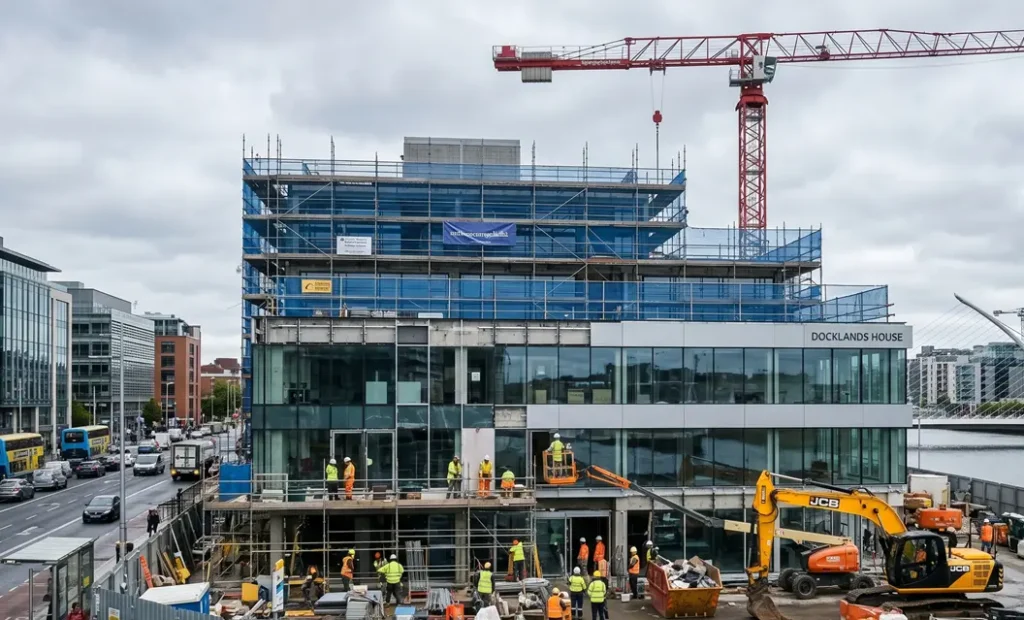
You may be wondering how this fits with your broker’s role. A good broker will often prompt a review of sums insured, especially at renewal, but the reinstatement figure itself still needs to be supported by an accurate and up-to-date assessment. When that figure is current, it helps the broker place the risk properly, gives the property owner clearer protection, and reduces the chance of difficult conversations if a claim arises.
A full on-site RCA, carried out by a RICS Registered Valuer and chartered surveyor, is generally the most robust basis for setting a declared value, because it can account for the actual specification of the building, site-specific constraints, professional fees and current reinstatement assumptions. An index-linked adjustment applies a generic multiplier to an existing figure. If the base figure was already drifting, the adjustment compounds the error rather than correcting it.
In practice, the properties where we see the biggest gaps are ones that were assessed accurately at the time of a refinancing or acquisition, then left untouched for five or six years while the building changed around them. By the time a claim arises, the declared figure can be 25% to 30% below current reinstatement cost. That gap is entirely avoidable.
Between full assessments, a desktop review is the practical answer for keeping your insurance coverage current. It draws on current market data and your last on-site records to produce an updated rebuild cost figure without a return site visit. Faster. Lower cost. And accurate enough to track the intervals between full assessments.
Treat the two as a cycle. A full on-site assessment every three establishes the accurate baseline. Annual desktop reviews mean you’re never more than twelve months from a figure you can rely on. For property owners managing multiple assets, or for brokers handling a commercial portfolio, this removes the risk of coverage silently eroding between valuation cycles.
What Insurance Brokers Need to Know About Reinstatement Valuations
For brokers with commercial property clients, the reinstatement valuation is one of the most direct tools available for managing underinsurance risk across a book.
If a client suffers a significant loss and the declared value has not kept pace with current reinstatement costs, the Average Clause may become a difficult issue at exactly the wrong time. A current RCA helps the broker evidence that the client has been advised to review the adequacy of cover, while also giving the client a stronger basis for setting an appropriate sum insured.
Clients who understand the consequence of an outdated figure tend to act on the recommendation. The explanation is usually the barrier, not the willingness to proceed.
Is a Professional Assessment Worth the Cost?
It’s a fair question. A professional on-site RCA isn’t free, and smaller commercial property owners in particular may weigh whether it’s necessary for their situation.
The Average Clause doesn’t distinguish by property size. A 50% shortfall in the declared value on a modest industrial unit produces exactly the same proportional reduction in a claim settlement as it does on a large office building. The scale differs. The mechanism does not.
One assessment, one cost, paid once. A 20% shortfall on a significant claim is not recoverable. For most commercial property owners, the calculation isn’t close.
Assessment fees vary depending on property type, size, and complexity. To get an indication of cost for your specific property, get in touch directly.
Frequently Asked Questions
How often should a reinstatement cost assessment be done?
RICS recommends a full on-site assessment at least every three years, with an annual desk-based adjustment to account for inflationary effects on the coverage figure. In practice, any material change to the property requires a new assessment regardless of when the last one was carried out. This includes extensions, change of use, and significant refurbishment.
What is included in a reinstatement cost assessment?
A full assessment covers the total cost to rebuild the property from the ground up: site clearance and debris removal, compliance with current regulatory requirements, surveyor and architect costs, and any site-specific factors such as access constraints or listed building requirements. The output is a declared value for insurance purposes. It’s not a market value figure.
What happens if my reinstatement cost assessment is out of date?
Your property may be carrying less cover than its true rebuild cost, without you knowing it. In the event of a claim, your insurer can apply the Average Clause, reducing your settlement proportionally to the degree of underinsurance. A figure that’s 20% below current reinstatement cost means a 20% reduction on every claim you make, partial or total. The shortfall is yours to fund.
Do I need an RICS surveyor for a reinstatement cost assessment in Ireland?
For commercial properties and non-standard residential properties, it is strongly advisable to use a suitably qualified and regulated chartered surveyor. Many insurers, brokers, lenders and professional advisers place greater reliance on assessments carried out by appropriately qualified professionals. For straightforward estate-type homes, the SCSI provides a free online rebuild cost calculator, but that tool doesn’t apply to commercial buildings, period properties, or any property with non-standard construction or specialist fit-out.
What is a day one reinstatement cost assessment?
A day one reinstatement cost assessment is the declared value set at the inception of an insurance policy. It is the figure your insurer uses from the first day of coverage, representing the estimated total cost to rebuild the property if it were destroyed on day one of the policy. This includes site preparation costs, surveyor costs, and compliance with current building codes. Getting this figure right at the outset matters, because it is the baseline everything else is indexed from.
Get a Reinstatement Cost Assessment in Ireland
Most commercial property owners who contact us already suspect their figure is out of date. They’re usually right.
RICS regulated RebuildValuation.ie provides reinstatement cost assessments for insurance purposes. Reports are not market valuations and should not be relied upon for lending, sale, taxation or accounting purposes unless expressly stated. Insurance cover, Average Clause provisions and policy conditions should be confirmed with your broker or insurer. All work is carried out by Trevor Kelly, an RICS Registered Valuer and Chartered Building Surveyor.
Trevor Kelly BSc (Hons) is a Chartered Surveyor with 25 years’ experience across property, building surveying and insurance claims. He is an RICS-regulated professional, registered Public Loss Assessor and founder of RebuildValuation.ie, which specialises in commercial reinstatement cost assessments across Ireland. Trevor is also the founder of Insurance Claim Solutions, a loss assessing and claims management firm regulated by the Central Bank of Ireland. Central Bank Registration No. C423441.
Accurate Commercial Property Valuation Mitigates the Risk of Underinsurance
Accurate commercial property rebuild cost assessment for insurance purposes plays a pivotal role in protecting property owners from the risk of underinsurance. Yet research shows, that over 85% of properties aren’t insured for the correct amount.
Determining the accurate value of a commercial property for insurance purposes can be a complex task. In this article, we delve into the realm of commercial property valuation for insurance purposes, exploring key considerations and methodologies that underpin this crucial process.
If you are considering a professional valuation of your or your client’s commercial property contact us by clicking the button below.
Click To Call 086 357 1713
Understanding Reinstatement Cost Assessment for Insurance Purposes
Commercial property can be valued in a number of different ways e.g. according to its original cost, according to market value, according to income potential, or according to its replacement cost, and some other less common methods.
Reinstatement cost assessment refers to the accurate assessment of the costs associated with reconstructing a commercial property to its original condition following a total loss. It encompasses not only the physical reconstruction of the building but also the costs associated with materials, labour, architectural fees, and other necessary expenses. What’s more the reconstructed property has to adhere to the currently enforced building regulations, which might have not been in force when the property was originally constructed.
Reinstatement cost assessment is different from market value, which represents the estimated price at which a property would sell in the open market. While market value takes into account intangible factors such as property appeal, demand, etc., rebuild cost valuation focuses solely on the tangible costs of rebuilding or repairing the property.
Key Factors Influencing Reinstatement Cost Assessment
Several factors contribute to the accurate determination of rebuild cost for commercial properties. These factors include:
- Construction Materials and Methods: The type of materials used and the construction techniques employed significantly impact the rebuild cost. Factors such as the quality of materials, complexity of design, and adherence to building codes and regulations are crucial considerations.
- Building Size and Layout: The size and layout of the commercial property influence the amount of space that needs to be reconstructed, as well as the costs associated with restoring specific features, such as elevators, staircases, or specialized equipment. Different property types, such as retail, office, industrial, or mixed-use, have varying valuation considerations based on their characteristics, usage, and potential risks
- Location-Specific Factors: The geographical location of the property can affect rebuild costs due to variations in labour rates, availability of construction resources, and local building and zoning regulations.
- Additional Factors: Special features such as unique architectural elements, advanced technology systems, specialized machinery, or environmentally sustainable components can impact the rebuild cost.
- Market Conditions: Fluctuations in construction material prices, labour costs, interest rates and other market conditions can affect rebuild cost estimates.
- Additional costs e.g. cost of demolition and rubble removal , site preparation, scaffolding hire, material delivery costs and many more.
Benefits of Accurate Rebuild Cost Valuation
- Adequate Insurance Coverage: Accurate rebuild cost valuation ensures that commercial property owners secure sufficient insurance coverage. Underestimating the rebuild cost can result in being underinsured, leading to substantial financial losses in the event of a claim. Conversely, overestimating the rebuild cost can lead to unnecessary higher premiums.
- Swift Recovery: In the unfortunate event of damage or destruction, having an accurate rebuild cost valuation expedites the insurance claims process and facilitates a quicker recovery. Property owners can confidently initiate the restoration process, knowing that the coverage is aligned with the actual costs involved.
- Risk Mitigation: By obtaining an accurate rebuild cost valuation, commercial property owners can assess the potential risks and make informed decisions regarding risk management strategies. This includes evaluating the need for additional coverage options, such as business interruption insurance or extended replacement cost coverage.
- Investment Protection: Commercial properties are substantial investments, and accurate rebuild cost valuation helps protect these investments. By ensuring proper insurance coverage, property owners safeguard their financial interests and provide reassurance to lenders and investors.
Conclusion
Rebuild cost valuation for commercial properties is a critical aspect of insurance coverage. Accurately assessing the expenses associated with reconstructing a property ensures that owners obtain appropriate insurance protection, mitigate financial risks, and facilitate a swift business recovery.
Given the complexities involved in accurately estimating rebuild costs, it is advisable for commercial property owners to enlist the services of professional appraisers or surveyors specializing in insurance-related valuations. These experts possess the necessary knowledge, experience, and access to industry data to conduct comprehensive assessments and provide reliable rebuild cost estimates.
If you need help with an accurate rebuild cost valuation of your or your client’s commercial property, give us a call by clicking on the button below. Trevor Kelly is a Chartered Building Surveyor with close to 20 years of experience in the insurance industry. You can view his credentials here.
The Pros and Cons of Using Rebuild Cost Calculators
Calculating the rebuild cost of a property is a crucial step in insurance coverage, property valuations, and budgeting for rebuilding projects.
However, this process can be complex and time-consuming, requiring meticulous calculations and consideration of various factors. Fortunately, cost calculators have emerged as useful tools to simplify the process.
In this article, we introduce cost calculators and explore the pros and cons of using them in the rebuild cost calculation process.
Click To Call
086 357 1713
What are Rebuild Cost Calculators?
Rebuild Cost Calculators are online tools or software applications designed to estimate the cost of rebuilding a property based on specific parameters and factors. These calculators use algorithms and databases to generate indicative cost estimates, considering variables such as property size, location, construction materials, and other relevant details. Cost calculators are valuable tools in insurance coverage and property valuation processes. Insurers can use rebuild cost estimates obtained from calculators to determine appropriate coverage limits and premiums. Surveyors and valuation professionals can also use cost calculators to produce indicative reinstatement cost estimates, ensuring fair assessments for property owners.
Factors Considered by Cost Calculators
Cost calculators take into account several factors to generate indicative rebuild cost estimates. These factors include property size, construction type, architectural complexity, materials used, labour costs, geographical location, and market conditions. By considering these variables, cost calculators provide a comprehensive assessment of the rebuild cost.
One of the significant benefits of using cost calculators is the time and cost savings they offer. Traditionally, calculating rebuild costs involved manual research, data collection, and complex calculations. Cost calculators automate this process, eliminating the need for extensive research and reducing human error. This saves valuable time and resources for property owners, insurers, surveyors, valuation professionals and builders.
Unfortunately, cost calculators also have significant limitations. They only provide rebuilding rates for standard estate-type houses and should not be used for non-standard properties, including one-off houses and period properties. For these properties there is no substitute for a qualified chartered surveyor with experience in insurance loss assessment.
Rebuild Cost Calculators in Ireland and the UK
If you have a fairly standard house located in Ireland or the UK, you can use an online calculator to get a rough idea of your home’s rebuild cost to help identify a potentially inadequate buildings sum insured.
For Ireland:
1. Society of Chartered Surveyors Ireland (SCSI) Rebuild Calculator
For the UK:
1. BCIS Rebuild Cost Calculator by the Royal Institution of Chartered Surveyors (RICS)
Please note
Although these calculators provide a baseline rebuild cost, to avoid a surprise, it’s always advisable to have the estimate reviewed by a suitably qualified professional. The SCSI calculator only covers estate-type houses built in Ireland since the 1960s. The calculator does not cover properties with more than three storeys or with basements, bespoke properties, or period houses (Victorian/Georgian) and it also does not cover apartments. To avoid surprises, always verify the estimate with a qualified surveyor, especially if you have a high-value or period property.
If you need help assessing the reinstatement cost of your property, especially if it is a bespoke home or a commercial property, please give us a call by clicking on the button below.
Click To Call
086 357 1713
The Art of Reinstatement Cost Assessment
Reinstatement cost assessment involves a blend of technical expertise, attention to detail, and an understanding of the unique factors influencing property value.
Building reinstatement cost assessment is a specialised field, and engaging the services of a qualified and experienced chartered surveyor is crucial for obtaining reliable valuations, essential for making informed decisions regarding an investment or insurance of your valuable asset.
In this article, we delve into the various techniques and best practices that professionals employ in rebuilding cost assessment.
Why is providing an accurate rebuild cost assessment not easy?
Accurate reinstatement cost assessment involves evaluating many factors, including the current condition of a property and estimating the cost required to rebuild it to its original state. It requires a comprehensive understanding of construction materials, labour costs, and local building regulations.
A thorough inspection is the first step in the assessment process. A qualified chartered surveyor examines the property, noting its size, layout, materials used, and any unique features. This inspection forms the foundation for an accurate assessment.
Understanding the construction materials and methods used in the original structure is crucial. The chartered surveyor identifies the quality of materials and determines whether any specialized techniques were employed. This information helps estimate the cost of rebuilding using similar materials and techniques.
Building regulations vary by location. Therefore the chartered surveyor must have a deep understanding of the local regulations to accurately determine the cost of complying with these requirements during the reconstruction process.
Labour and construction costs form a significant part of the rebuilding process. Surveyors use industry-standard data, but need to be aware of the local labour rates, availability of labour, and market conditions to estimate the cost of hiring skilled tradespeople and contractors for the reconstruction project. .e.g. if your property is covered with thatch, it may not be easy to find both the materials and the tradesmen to complete the reconstruction project.
External factors such as inflation, market conditions, and seasonal variations can impact the cost of reconstruction. The surveyor will consider these factors when assessing the projected cost, ensuring a realistic and up-to-date valuation.
Building reinstatement cost assessment requires continuous learning and staying updated with industry trends and regulations. Our surveyors engage in professional development activities, attend workshops, and participate in relevant forums to refine their skills and knowledge.
Modern assessment techniques leverage technology and data to enhance accuracy. Advanced software, cost databases, and 3D modeling tools aid in streamlining the appraisal process and improving the precision of cost estimates. We often use 3D imaging technology to capture the unique features of your buildings and property to ensure that is rebuilt to the exact standard in case of damage.
If you need help with an accurate building reinstatement cost assessment for insurance purposes, contact us.
A Guide to Reinstatement Cost Assessment for Insurance Purposes
Reinstatement cost assessment is a crucial step in obtaining accurate insurance coverage for your property. Rebuild cost refers to the estimated amount required to reconstruct or reinstate a property to its original condition in the event of damage or destruction.
Insurance policies often require property owners to insure their assets based on the rebuild cost.
In this comprehensive guide, we explore the process of assessing the value of your property for insurance purposes so that you can ensure adequate coverage.
Rebuild Cost Assessment Guidelines by Trevor Kelly
1. Engage Professional Surveyors
Reinstatement cost assessment is best conducted by a professional chartered surveyor with expertise in property valuation and construction. Engaging the services of a qualified chartered surveyor supports an accurate assessment based on current market rates, construction costs, and building regulations. Their expertise is invaluable in determining the rebuild cost of your property.
2. Understand Reinstatement Cost Components
The assessment involves evaluating various components that contribute to the overall rebuild cost. These components include construction materials, architectural features, and any specialized finishes or fixtures. Understanding these components helps in estimating the accurate rebuild cost of your property.
3. Each Property is Unique
Each property is unique, and its specific characteristics must be considered during the rebuild cost valuation. Factors such as size, layout, age, architectural style, and building materials influence the cost of reinstatement. Providing detailed information about your property allows the chartered surveyor to make an accurate cost estimation.
4. Ensure Compliance with Building Regulations
Rebuild cost assessment needs to take into account compliance with building regulations. the chartered surveyor would also take in to account the requirements for safety, accessibility, zoning, and environmental standards. Ensuring that the valuation aligns with these regulations is essential for proper insurance coverage.
5. Estimate Realistic Construction Costs
Construction costs form a significant part of the rebuild cost assessment. Chartered surveyors analyze current market rates for construction materials, labour, and equipment. They also consider any potential regional variations or fluctuations in costs. Estimating construction costs accurately is vital to determine the rebuild cost of your property.
6. Calculate Ancillary Costs
In addition to direct construction costs, rebuild cost assessment should include ancillary costs associated with reinstatement. These costs may include demolition, debris removal, professional fees, and temporary accommodations during the rebuilding process. Factoring in these ancillary costs provides a comprehensive reinstatement cost estimation.
7. Ensure Periodic Reassessment
Rebuild cost assessment is not a one-time task. Property owners should periodically reassess the rebuild cost to account for inflation, changes in Building Regulations, and renovations or improvements made to the property. Regular reassessment helps ensure that insurance coverage remains adequate over time.
8. Ensure Periodic Insurance Policy Review
Once the assessment is complete, it is essential to review your insurance policy. Ensure that the coverage limit aligns with the estimated rebuild cost. Pay attention to any policy exclusions or limitations that may affect the reinstatement coverage. Seek clarification from your insurance provider if any aspects are unclear.
Rebuild cost assessment is a vital step in securing proper insurance coverage for your property. By engaging qualified chartered surveyors, understanding the components of rebuild cost, considering property-specific factors, and complying with Building Regulations, property owners can support accurate assessments. Regular reassessment and policy review are crucial to maintaining appropriate coverage.
If you need help with valuing your property for insurance purposes, contact us by clicking on the button below.
Click To Call 086 357 1713
Understanding the Importance of Property Reinstatement Cost Assessment
Property owners often underestimate the importance of accurately estimating the rebuild cost of their properties. Reinstatment estimation refers to the process of determining the cost required to rebuild a property to its original condition in case of damage or destruction.
In this article, we explore the importance of property rebuild cost estimation and its implications for property owners, insurers, and insurance brokers.
Rebuild Cost Assessment Ensures That You Have Adequate Insurance Cover
One of the primary reasons for reinstatement cost assessment is to ensure adequate insurance coverage. Insurance policies typically have a coverage limit based on the rebuild cost.
Underestimating the rebuild cost can leave property owners underinsured, leading to financial burdens in the event of a disaster. Accurate estimation helps property owners secure appropriate coverage and minimize potential financial risks.
On the other hand, overestimating the rebuild cost can result in unnecessary insurance premiums. Property owners who inaccurately estimate the rebuild cost may pay higher premiums than necessary. By obtaining an accurate rebuild cost assessment, property owners can avoid overpayment and optimise their insurance costs.
Accurate Reinstatement Cost Assessment Helps With Financial Planning and Risk Management
Reinstatement cost assessment is crucial for effective financial planning and risk management. Property owners can use this estimation to assess the potential financial impact of property damage and incorporate it into their risk mitigation strategies. It allows for better preparation, including setting aside funds for deductibles or identifying the need for additional coverage.
In the unfortunate event of property damage or destruction, accurate reinstatement cost assessment simplifies the claims settlement process. Insurers rely on rebuild cost estimates to determine the appropriate amount to reimburse the policyholder. A well-documented and accurate estimation expedites the claims process, ensuring a fair and timely settlement.
Preservation of Property Value and Ensuring Compliance of the Rebuild with Building Regulations
Underestimating the rebuild cost can have long-term consequences for property owners. Inadequate insurance coverage may lead to compromises in the quality of restoration or reconstruction, impacting the property’s value and desirability. Accurate rebuild cost estimation ensures that the property can be restored to its original state, preserving its value and protecting the owner’s investment.
Rebuild cost estimation also ensures compliance with insurance and regulatory requirements. Insurance policies often require accurate rebuild cost assessments, and failure to meet these requirements can result in policy non-compliance. Additionally, local building codes and regulations may dictate the minimum standards for rebuilding, which can be determined based on the rebuild cost estimation.
Real Estate Investment Decisions
Property rebuild cost estimation is also significant in real estate investment decisions. Prospective buyers and investors should consider the rebuild cost as part of their due diligence process.
Accurate estimation provides a clear understanding of the potential costs involved in property maintenance and protection, aiding in informed investment decisions.
Property rebuild cost estimation is not just a technical exercise; it has far-reaching implications for property owners, insurers, and investors. From securing appropriate insurance coverage to facilitating claims settlement, accurate estimation is crucial. By recognizing the importance of property rebuild cost estimation and commissioning thorough assessments, property owners can protect their assets, make informed financial decisions, and mitigate potential risks effectively.
Hi there, I’m Trevor Kelly, and I want to start with a quick question. Are you absolutely certain your home is insured for what it would really cost to rebuild it from the ground up? After decades in this field, I’ve seen too many homeowners run into massive problems—like underinsurance penalties—simply because they relied on outdated or incorrect rebuild calculations. Let’s fix that.
How I Accurately Estimate House Rebuilding Costs for Home Insurance
In this article, I’m going to walk you through everything you need to know about rebuild costs for insurance purposes, from the difference between market value and true rebuilding costs, right down to the importance of professional assessments. I’ll also show you real data on rising rebuild costs here in Ireland, including regional variations and why those differences matter. Above all, I’ll share insights from my own professional experience as a Chartered Building Surveyor so you can avoid the pitfalls of paying too much for your insurance—or, worse yet, paying too little.
Table of Contents
1. My Experience and Why Rebuild Cost Matters
I’ve spent decades working as a Chartered Building Surveyor, and I’m currently the Managing Director at RebuildValuation.ie, specializing in calculating rebuild cost. Over the years, I’ve helped countless homeowners figure out exactly what it would take to reinstate their properties in the event of a total or partial loss. I can’t tell you how many times I’ve seen people confuse a home’s market value with its actual rebuild cost. They’re simply not the same.
Market value takes into account the land, location, and other factors like the desirability of the area. In contrast, the rebuild cost focuses exclusively on the sum required to clear any debris, follow current building regulations, and reconstruct your house to its original condition. That’s it. If you rely on market value or a rough guess, you might end up with gaps in coverage—or pay way more in premiums than you need to. My job is to help people avoid that.
I’ve witnessed how rebuilding costs have shifted dramatically. Sometimes, a spike in labour or materials can take homeowners by surprise. If your insurance isn’t adjusted to these changes, you could be left footing a hefty bill yourself. That’s why I’m so passionate about educating people on this process. I’ve been around the block (and many building sites) long enough to know that having accurate numbers up front can save you an immense amount of stress, money, and heartache down the road.
2. Rebuild Cost vs. Market Value: Understanding the Difference
Let me put it plainly: market value might be driven by neighbourhood trends, location, and desirability, but rebuild value, as outlined in the cost guide, is about bricks, mortar, labour, and regulatory compliance. You can see the gap here between the market value and the minimum base cost guide for rebuild costs. One figure is tied to the real estate market, while the other is tied to construction economics.
Even though some homeowners assume insuring their house at its full market value is “safer,” it can be counterproductive in the case of a house insured for less than its reinstatement cost. You might find yourself paying inflated insurance premiums for years without any extra payout in the event of a claim. On the flip side, insuring your home for less than its true rebuild cost can lead to painful penalties under what insurers often call the “average clause.” If you are significantly underinsured, the insurer might only pay out a portion of the claim—forcing you to find the rest of the money yourself.
My advice is always to focus on the actual reinstatement cost. This includes site clearance, demolition, materials, labour, professional fees, and compliance with building regulations. It doesn’t matter what your house might fetch on the open market, because the land value isn’t part of the construction process. If you mix up the two values, you’re gambling with your insurance and could be underestimating the rebuild cost of your home.
3. Key Factors Influencing House Rebuilding Costs
I like to break down rebuilding costs into four main categories:
- Location
Ireland has various market nuances. Dublin, for example, consistently has higher overall rebuild prices because of labour rates and material costs, even though its annual percentage increases in recent years have been lower than in the North West. Cork, the North East, and Waterford each show their own unique trends. - House Type can significantly influence the building costs associated with a property.
If you have a detached house with intricate design features, expect higher rebuild costs compared to a standard semi-detached property, as indicated in the cost guide. Period properties, including thatched houses, can also add complexity because you may need specific materials or craftsmanship that are often used for other house styles. - Materials and Labor are critical components in determining the minimum base cost of rebuilding.
Labour shortages are a real challenge. Construction professionals are in high demand, which drives wages up, contributing to the increased rebuild costs per square metre. Materials like timber and steel can also fluctuate in price, especially if there are global supply chain issues that affect the rebuilding rates. Even waste disposal costs can play a big role. - Professional Fees
Don’t forget fees for architects, engineers, or, like me, a Chartered Surveyor who can help you reinstate the house effectively. These experts help ensure your project complies with modern building regulations, and health and safety standards, and that your property ends up properly valued. Their services are an integral part of the total rebuild figure.
From a high-level view, you can see why the cost of rebuilding a house has been creeping upwards in recent years. Construction demand remains high, labour markets are tight, and material prices can jump significantly depending on supply chain conditions, affecting the scsi rebuild process.
4. How I Calculate Accurate Rebuild Costs
I usually start by gathering as much information as possible about the home’s design, size, age, and materials to ensure accurate house insurance coverage. After all these years, I’ve developed a system that lets me pinpoint the key elements quickly:
- Property Measurements: Floor area matters a lot. A three-bed semi-detached in Dublin will be assessed differently from a bungalow in County Donegal.
- House Features: Does it have a garage, an attic conversion, or bespoke fixtures? These add complexity and can significantly impact the Total reinstatement cost is a crucial factor in determining adequate house insurance..
- Local Construction Rates: I always stay updated on local labour rates and typical costs for materials in different regions of Ireland. It’s part of what keeps my valuations accurate.
- Compliance with Building Regulations: Modern standards may require insulation upgrades or more robust structural elements and Compliance with Building Regulations is essential for understanding the total reinstatement cost
In short, I don’t rely on a blanket figure. Every home is unique, and I believe every valuation should reflect that individuality. My calculations usually combine industry-standard rates with real-world insights I’ve gained from years of overseeing construction projects and collaborating with other building professionals.
5. Using a Rebuild Cost Calculator and Seeking Professional Advice
It’s true that you can find free online rebuild calculators, including tools from insurers or from bodies like the Society of Chartered Surveyors Ireland (SCSI). These platforms can give you a ballpark figure based on average costs. They typically ask for your house’s floor area, the number of bedrooms, and whether it’s detached or semi-detached. While they’re a helpful starting point, I suggest treating them as an initial guide rather than a definitive number.
If you want precision, I recommend involving a professional to help you navigate the complexities of getting home insurance. A Chartered Surveyor like me will personally inspect your property, assess any structural complexities, and tailor a valuation to your specific situation. Online calculators can’t always capture things like unique design elements, unusual plot conditions, or specialized craftsmanship. By blending these details with local cost fluctuations, I can deliver a more accurate rebuild figure.
6. Regional Variations in Ireland: Recent Data and Trends
Now, let’s talk about the cost landscape across Ireland. According to recent figures, the national average rebuild costs have been on the rise, although the rate of increase has moderated:
- 2023: A substantial increase of 21% was recorded.
- 2024: That growth eased somewhat to around 12%.
- 2025: The national average construction costs is up another 6.2%, showing a continued trend but with a lower climb than in previous years, which is reflected in the increased rebuilding rates.
Regional variations continue to surprise many homeowners. Dublin still shows the highest overall rebuild cost, pushing a minimum base cost for a three-bed semi-detached house to around €312,620. Yet, interestingly, Dublin’s percentage increase for 2025 was only about 3%—lower than most other regions.
The North West, meanwhile, has some of the lowest overall rebuilding costs in Ireland (closer to €247,774 for a three-bed semi), but it posted the largest percentage increase last year at about 10%. Cork clocked in with an 8% boost, and Galway saw a 4% bump. Waterford and Limerick landed somewhere in between, at around 5% or 6% growth.
Over time, these numbers paint a picture of a rapidly evolving construction climate. High demand for builders, supply chain disruptions (even though some have eased), and labour shortages all converge to push rates upward. If you haven’t updated your insurance coverage in a few years, there’s a good chance your home’s actual rebuild cost has changed—often significantly.
7. Why You Should Update Your Rebuild Cost Estimate Regularly
Let’s face it: the construction market isn’t static. If you think about it, just a few years ago, materials like timber saw price spikes due to global supply chain issues. Labour has been in high demand, particularly in fast-growing urban areas. Even if these issues come and go, they leave a mark on average rebuilding costs.
I typically advise homeowners to reassess their rebuild cost every two or three years. That’s especially true if you’ve done major renovations, like adding a kitchen extension or converting the attic into extra living space. Each upgrade or home improvement can alter the cost of reinstating your house. If an insurer has outdated info and your home is underinsured, you could be in for a rude awakening if disaster strikes.
Insurance providers often base payouts on the proportion of your coverage to the actual rebuild value. Known as the “average clause,” this means if you insured your property for only half its actual rebuild value, you might only receive half of the money you need to repair the damage—even if you pay your premiums year after year.
8. What Happens if You Underestimate or Overestimate Your Rebuild Costs
I’ve seen both extremes, and neither one is good. Let’s talk about underestimation first.
When you’re underinsured, you could end up shelling out a ton of your own cash to fill the gap in a rebuild. You might also face reduced claim payments because your insurer can argue that you only paid for coverage on a portion of your property’s true rebuild cost. It’s heartbreaking to see people realize this only after disaster strikes.
Overestimation, on the other hand, is more subtle. Some folks think insuring their home at a high figure is a fail-safe strategy. Unfortunately, it just inflates your premiums. Insurers usually only pay out the actual rebuild figure, so paying extra doesn’t mean you get a higher claim settlement. It just means you spent more on premiums than you needed to. I’m all for comprehensive coverage, but why pay for something you can’t use?
9. My Final Thoughts on Ensuring Your Home Is Adequately Insured
Over the years, I’ve developed a step-by-step process to ensure homeowners can sleep soundly knowing their policy is accurate and fair:
- Get a Professional Valuation
Online calculators are fine for a quick estimate, but I strongly suggest getting a personalized assessment from a Chartered Surveyor to accurately determine the building costs. It’s an investment that can save you enormous hassle if and when you need to file a claim. - Stay Informed About Market Shifts
Keep an eye on labour costs, supply chain updates, and any major construction trends. Ireland’s rebuild costs can change fast, and staying in the loop is part of being a responsible homeowner, especially regarding the scsi house assessments. - Update Your Valuation Every Few Years
If your region sees an 8% or 10% jump in rebuild costs, or if you’ve done a remodel, it’s time to recalculate. Your future self will thank you. - Avoid the Trap of over-insurance
It might sound safer to insure your home for a big number, but it’s usually not money well spent. Your goal is to cover the actual cost of reinstating your home, nothing more and nothing less. - Check Your Policy Terms
The average clause can be a killer if your property is underinsured. Make sure you know how your insurer calculates claims, and don’t be caught by surprise.
I’ve worked with folks who discovered they’d been underinsured for years and had to scramble to upgrade their policies. On the other hand, some learned they were overpaying for coverage that wouldn’t lead to a higher payout anyway. With accurate valuations, we nipped these problems in the bud. That’s exactly why I’m passionate about raising awareness about rebuilding costs and sharing my experience.
If you’re in doubt, consider having a chat with me or another qualified surveyor. A proper inspection can give you the peace of mind that, if a disaster happens, you have the right coverage. You might never need it and let’s hope you don’t but insurance is one of those things where a small investment of time and money now can save you a world of trouble later.
Conclusion
Look, insuring your home shouldn’t be a gamble. I’ve spent decades helping homeowners calculate accurate rebuild costs because I’ve seen firsthand what happens when these figures are off, even slightly. The difference between a house’s market value and its actual rebuild cost can be huge, and many people don’t realize that until they try to file a claim.
Knowing the current climate is crucial, too. Rebuild costs in Ireland have been going up, sometimes by double-digit percentages year over year. Even though the pace slowed from 21% a few years ago to around 6.2% now, that doesn’t mean the total figure is any lower it just means the increases aren’t quite as steep. Certain regions, like the North West, can swing wildly in percentage growth, while Dublin remains consistently high in absolute terms.
The bottom line? If you want to rest easy at night, get your property valued properly. Use online tools for reference if you like, such as a house rebuild calculator, but don’t rely on them blindly. My team and I, as well as other Chartered Surveyors in Ireland, can give you a detailed breakdown of your home’s reinstatement cost, factoring in unique features, local labour conditions, and the latest regulatory requirements. We’ll help ensure you’re not caught in the underinsurance trap or spending more than necessary on premiums. That way, if life throws you a curveball, you’ll have the financial safety net to rebuild without added stress.
I hope this guide clarifies the ins and outs of rebuild cost calculations. If you take away one thing from my decades of experience, let it be this: treat your rebuild cost like a living number and update it to keep pace with shifting construction realities. Trust me, your home—and your wallet—will thank you later.
About the Author
I’m Trevor Kelly, a Chartered Building Surveyor with decades of experience in property assessment and insurance compliance. As Managing Director of RebuildValuation.ie, I specialize in helping homeowners accurately determine their rebuilding costs. I’m proud to be affiliated with the Society of Chartered Surveyors Ireland, where I share knowledge on everything from the latest regional building trends to best practices for insurance valuations. Whether you own a three-bed semi in Dublin, a one-off architectural marvel in the countryside, or something in between, I have the expertise to make sure you’re covered correctly.