
Rebuild costs for Protected Structures in Ireland are typically higher than for a standard house, and a robust assessment requires a surveyor pricing the building element by element.
The SCSI rebuild calculator was never built for Georgian townhouses, thatched cottages or farmhouses on the Record of Protected Structures. But cost is not the hardest part.
The harder question is what your planning authority may expect you to put back after a loss, and most homeowners only find out once a claim is already open.
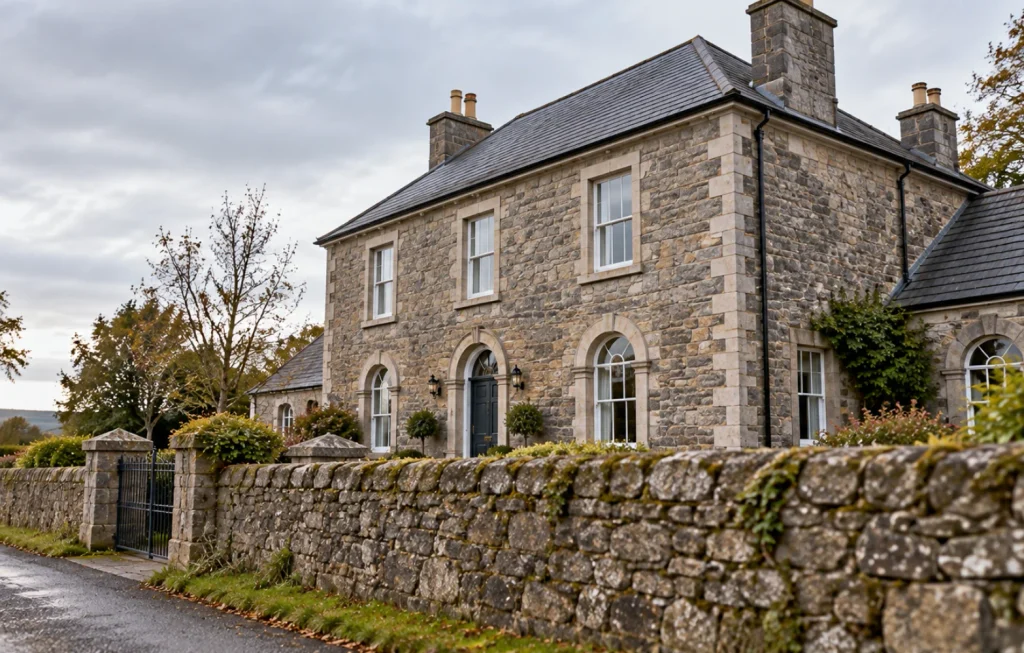
What Is a Protected Structure or Listed Building in Ireland?
In Ireland the formal term is protected structure: a building your local authority has added to its Record of Protected Structures (the RPS) because of its special architectural, historical, artistic or cultural interest. "Listed building" is a commonly used phrase, but in Ireland the statutory designation is Protected Structure, recorded under planning legislation.
The protection covers the whole structure, inside and out, not just the front façade. It extends to the land and outbuildings immediately around it (the curtilage), any other structures on that land and their interiors, and every fixture and feature that forms part of the building.
A proposed protected structure, one the local authority is still considering, is generally afforded the same protection while the decision is pending, subject to the statutory position.
An Architectural Conservation Area (ACA) is a place or townscape of special interest whose character the local authority aims to preserve, and buildings in one can face similar expectations even if they are not on the RPS. The Office of the Planning Regulator’s guide to architectural heritage explains these protections in plain English.
To check, ask the planning department or conservation officer at your local authority.
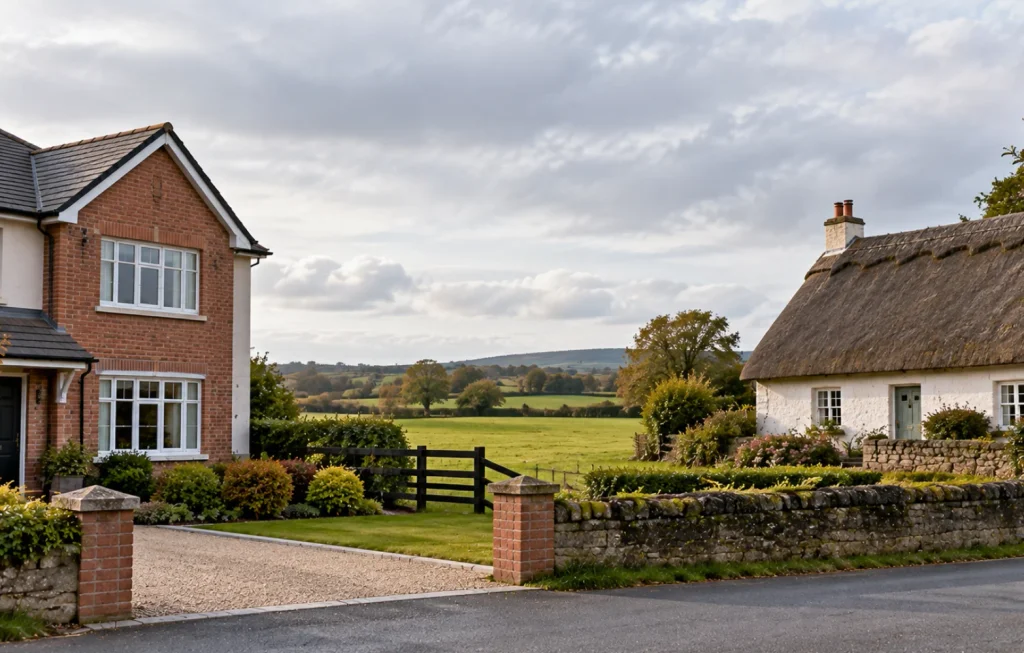
Does the SCSI Rebuild Calculator Work for Protected Structures?
No. The Society of Chartered Surveyors Ireland (SCSI) publishes a rebuild calculator, but it gives a minimum base cost for estate-type houses built since the 1960s.
You enter your floor area, choose a house type and region, and add extras such as a garage. For a standard semi-detached house, it’s a sensible starting point.
A protected structure sits outside what it was designed to price. So do period homes, one-off houses, properties with basements or more than three storeys, apartments and commercial buildings, and the SCSI says so on its own page.
The danger is that the output looks authoritative, and that’s how a protected structure ends up insured for a figure nobody has tested. Our guide to calculating your buildings sum insured covers the calculator in full.
How Is a Protected Structure’s Rebuild Cost Calculated?
The method that replaces the calculator is an elemental cost analysis. A chartered surveyor, whether a quantity surveyor or a building surveyor, measures every element of the building, from foundations to joinery and finishes, and prices the rebuilding of each one. The assessment is based on the specific building rather than on averages from similar houses.
It starts with how the building was made: solid stone or brick, lime mortar or cement, natural slate or something lighter.
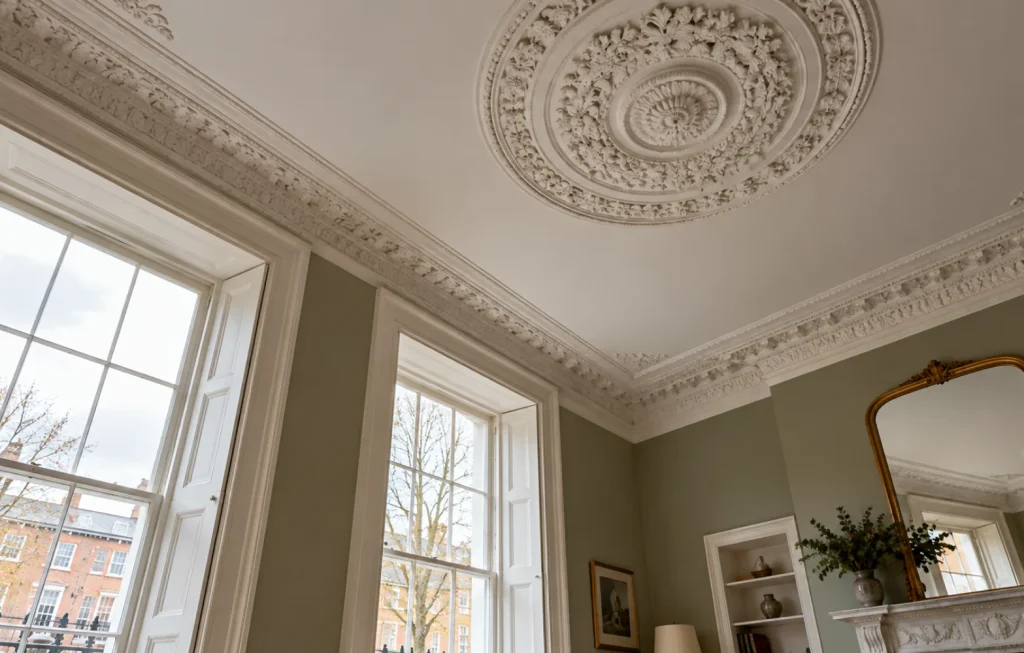
Each answer changes the price, so the surveyor has to see the building in person. They also record costly features such as plasterwork ceilings and ornate fanlights.
Fees and VAT sit on top: professional fees add to the build cost, and VAT applies at 13.5% on building works and 23% on professional fees.
When choosing a surveyor, ask how they will establish construction method and materials, and what experience they have with traditional buildings. A surveyor who offers only a floor area and a rate is applying a simplified method; for a protected structure, an elemental assessment is generally more appropriate because construction and materials vary so widely between buildings.
The numbers come out so different because the building itself is more expensive to put back.
Why Do Rebuild Costs for Protected Structures Run Higher?
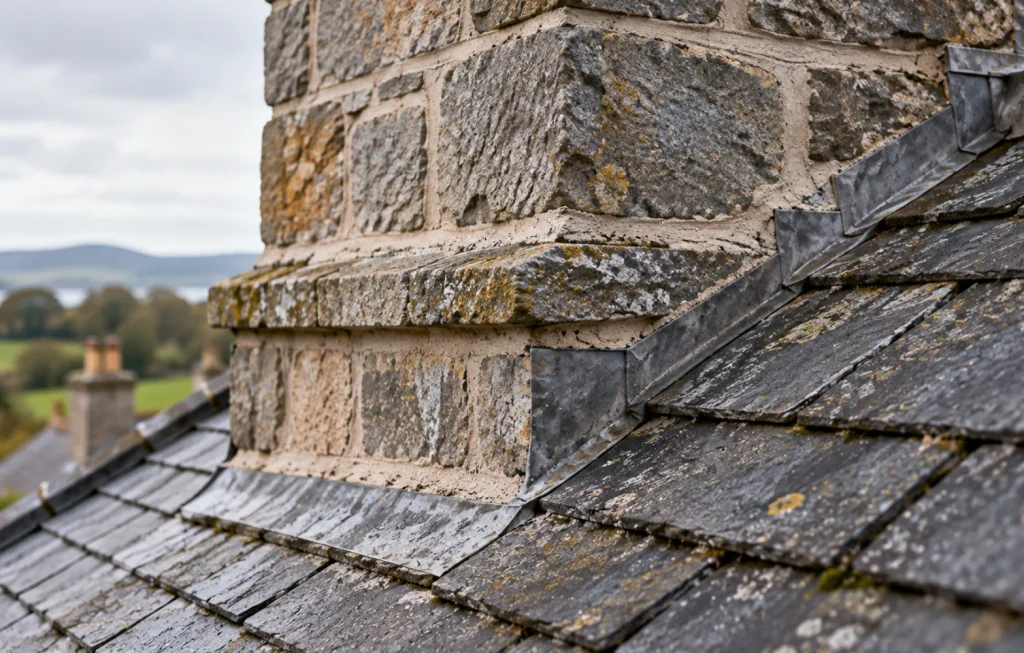
Materials come first. Lime mortar, natural slate, cut stone, lath and plaster and timber sash windows cost more than modern equivalents, and a rebuild may need to match them rather than approximate them.
Then there is the labour. Traditional work needs skilled tradespeople, who are scarce and priced accordingly. A thatched roof is a craft in its own right, and a master thatcher is not a general roofer.
Planning adds time. Requirements can limit what you may substitute and can lengthen the process before building starts. That means longer in alternative accommodation and more exposure to price movement.
Where a protected structure is also a high-value home, with bespoke joinery, imported stone or architect-led design, these costs compound. Our guide to high net worth home rebuild cost assessments covers that overlap.
Does a Protected Structure Have to Be Rebuilt Like for Like?
That depends on what was lost, and it is decided case by case. The guiding principle in conservation is like for like: replace what was there with the same material, built the same way.
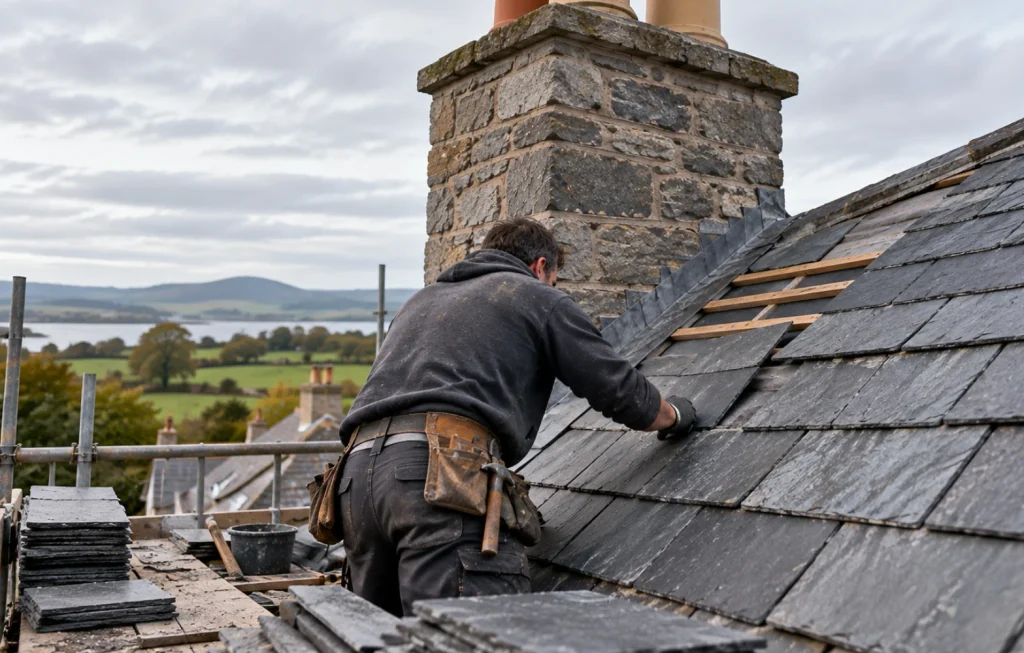
Planning authorities may not accept substitutes, and artificial tiles in place of a lost natural slate roof is the classic example of a change unlikely to be permitted.
The approach planning authorities are expected to take is set out in the Government’s guidance for planning authorities, which covers total loss, partial loss and the reinstatement of interiors.
After a total or near total loss, the special interest that earned the protection may be considered gone, and the building may come off the RPS. If it is part of a terrace, square or wider group, or is an important landmark, the authority may instead require at least a replica exterior.
Partial loss is far more common, and harder. The authority judges how much special interest survives. If the interior is almost entirely lost but the shell stands, it may require the exterior to be repaired while allowing the interior to be rebuilt differently.
If substantial fragments of a high-quality interior remain, you may be asked to recreate it using them.
None of this can be predicted in advance. Depending on the reinstatement basis and statutory requirements, the insured figure may need to cover the version where you are asked to recreate the plasterwork ceiling, and adequate cover can help make compliance financially possible.
Is Rebuild Cost the Same as Market Value?
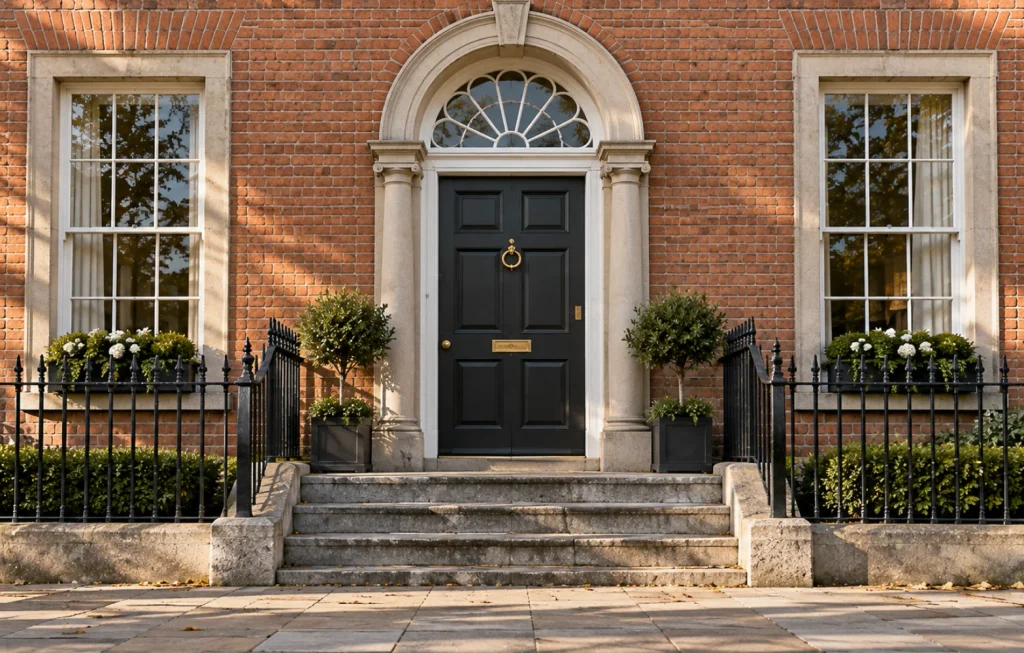
No. Market value includes the land and the location, while rebuild cost covers only the structure and everything needed to reinstate it. On a protected structure the two can sit far apart, in either direction: a modest rural market value can sit alongside an expensive traditional rebuild, and a city-centre building can show the opposite.
That’s why basing a sum insured on a sale price or a mortgage valuation is one of the most common routes to underinsurance. We explain the gap in our guide to market value versus reinstatement cost.
How Much Should You Insure a Protected Structure For?
There’s no honest rule of thumb, and no per square metre figure that holds across protected buildings. The figure to insure is the full cost of rebuilding on the reinstatement basis of your policy, as at the date of assessment, including demolition, professional fees and VAT, established by an elemental cost analysis and kept up to date. Extensions and any outbuilding within the curtilage belong in it too.
Protected and period properties are generally insured on one of three bases. Total reinstatement should provide enough to rebuild to the same design and materials, or to renew only the damaged part.
First loss is a specific policy arrangement rather than a default, and may suit large estates with several buildings. The sum insured covers likely damage to any one building rather than all at once.
Agreed value may suit items built into the fabric, such as wall paintings or marble fireplaces, with a figure agreed to reflect the cost of conservation or a faithful replica.
Standard home insurance policies are usually built for modern construction, so which basis suits you is a conversation for a broker or insurer with experience of heritage properties. They build the policy around the figure you give them, and our job as RICS-regulated specialists in reinstatement cost assessment is that figure.
Keep a record of the building off the premises: measured floor plans cross-referenced to photographs and video, with attention to historic fixtures and finishes. Maintaining these records can be relatively inexpensive and supports an accurate rebuild if you ever need one.
What Grants Are Available for Protected Structures in Ireland?
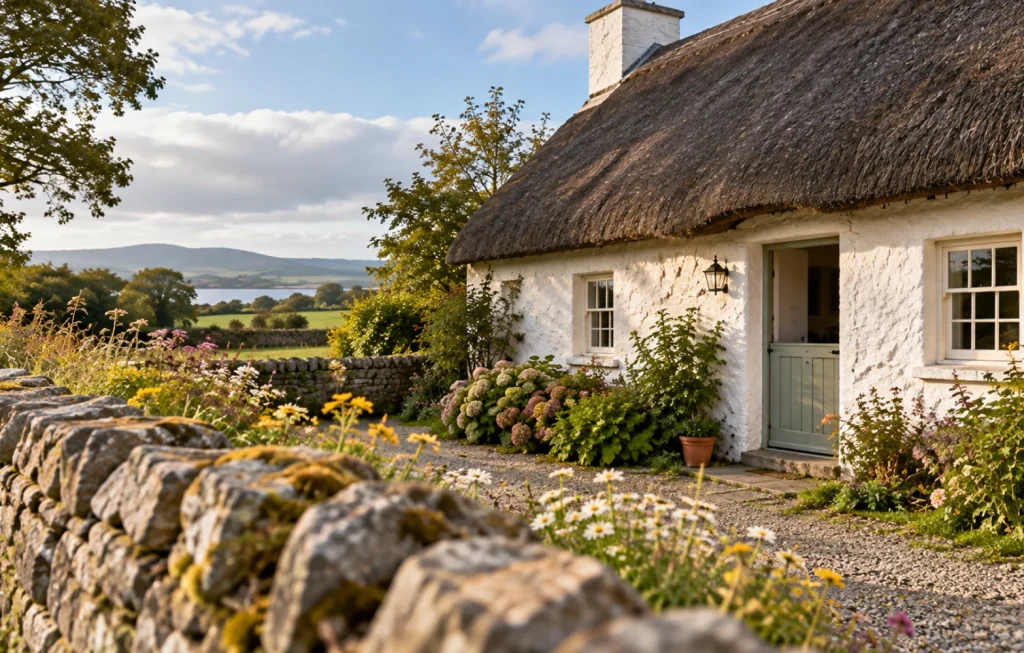
The Historic Structures Fund supports major urgent repairs to protected structures. The Built Heritage Investment Scheme (BHIS) supports repair and conservation of protected structures, buildings in Architectural Conservation Areas and vernacular buildings such as thatched homes, and includes a Historic Thatched Buildings Grant.
Local authorities manage the schemes, and the Department of Housing, Local Government and Heritage allocates the funding each year.
Grants cover a share of approved work, not the whole cost, and are paid when the work is complete, so you carry the cost until then.
An owner cannot receive both Historic Structures Fund and BHIS funding in the same year. Emergency funding may be available after events such as storm damage, case by case.
A grant pays towards repair and conservation. The rebuild after a loss depends on your sum insured. Amounts, eligibility and application windows change every year, so check the current terms and deadlines with your local authority or on Citizens Information.
What Happens If a Protected Structure Is Underinsured?
Where your policy applies an average clause, being underinsured can reduce what you receive on any claim, partial or total. Policies differ, so read your wording and ask your broker how your insurer treats it.
Here is an illustrative example only, not a prediction. A protected house is insured for €600,000, but a proper assessment puts the true cost of rebuilding at €900,000, so it is insured for two thirds of its rebuild cost.
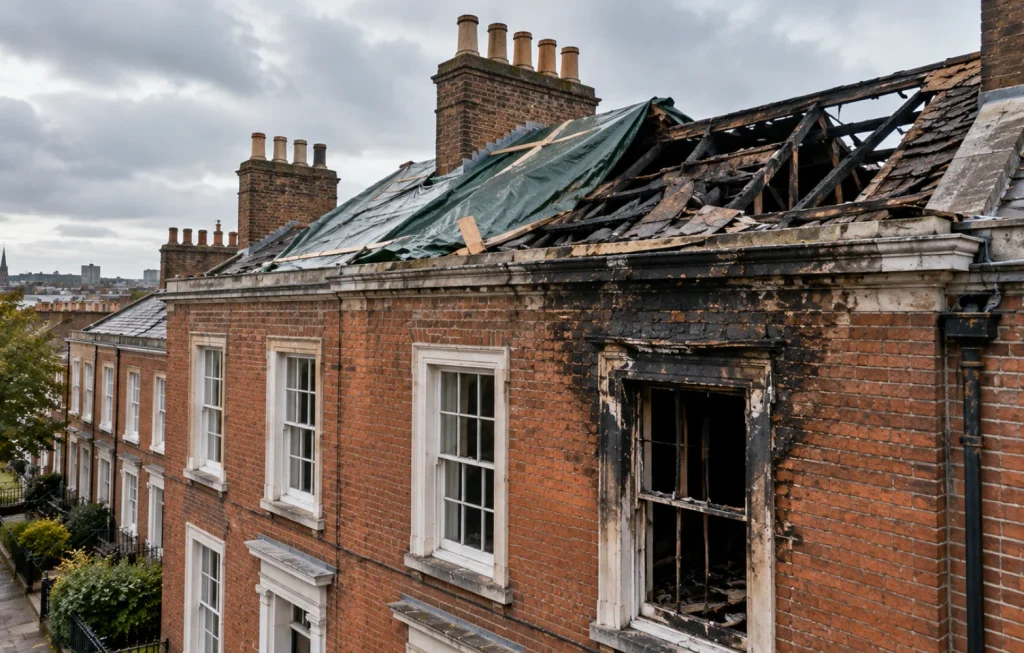
A fire causes €120,000 of damage. If the average clause applies, the insurer may pay two thirds of the claim, €80,000, and you cover the remaining €40,000 yourself.
On a building where every repair is specialist work, that shortfall arrives mid-repair, when you can’t easily scale back. The loss adjuster will also check whether the sum insured was a fair reflection of the rebuild cost, and an unsupported figure is easy to challenge.
A professional assessment is a known cost you control before a loss.
Frequently Asked Questions
What is a building reinstatement cost assessment?
What is the difference between a listed building and a protected structure?
How do I know if my property is a protected structure?
How often should the rebuild cost be reviewed?
Book an RICS Reinstatement Cost Assessment in Ireland
If your property is a protected structure or in an Architectural Conservation Area, you need one when your sum insured came from a calculator or a mortgage valuation. The same applies when the last professional figure is more than three years old, or after any restoration, extension or alteration.
Rebuild costs for a protected structure are not a number you can look up. They are a number someone has to build from the building in front of them.
Rebuild Valuation is an RICS-regulated firm specialising in reinstatement cost assessments. It works with owners, brokers and managing agents across Ireland. A RICS Chartered Building Surveyor carries out an on-site reinstatement cost assessment.
You receive a written RCA report prepared by an RICS Chartered Surveyor with a declared value your broker and insurer can work from, so a claim starts from a documented figure rather than a guess. Your next renewal is a sensible moment to find out whether the figure on your policy holds.
Book a Reinstatement Cost Assessment using the enquiry form on this site, or call the office to talk through your property first.