

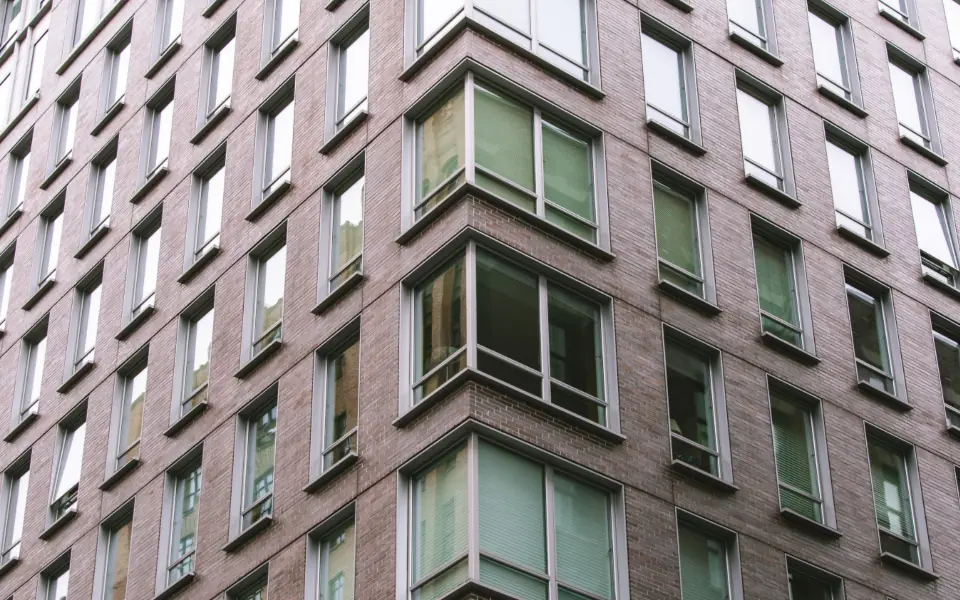
Reinstatement Cost Assessments for Period Properties in Ireland

A chartered surveyor’s on-site inspection sets the true reinstatement cost of a period home. A calculator isn’t built to price lime plaster, cut stone or ornate cornicing.
Reinstatement cost assessments for period properties in Ireland can fill that gap with an itemised figure built from your house, wall by wall and room by room.
Where your policy applies an average clause, a calculator figure that falls short of the true cost can reduce what you are paid on any claim.
That matters at renewal, and far more after a loss. Your insurer prices your home insurance from the sum insured, the rebuild figure you give it.
If you accept last year’s figure without question, it hasn’t been tested against the stone, timber and plaster in your actual walls.
What Do Reinstatement Cost Assessments for Period Properties Cover?
They cover the full cost of rebuilding your house to the same design and in the same materials after a total loss: demolition, site clearance, the rebuild itself, professional fees and VAT, plus any extra work needed to meet current building regulations.
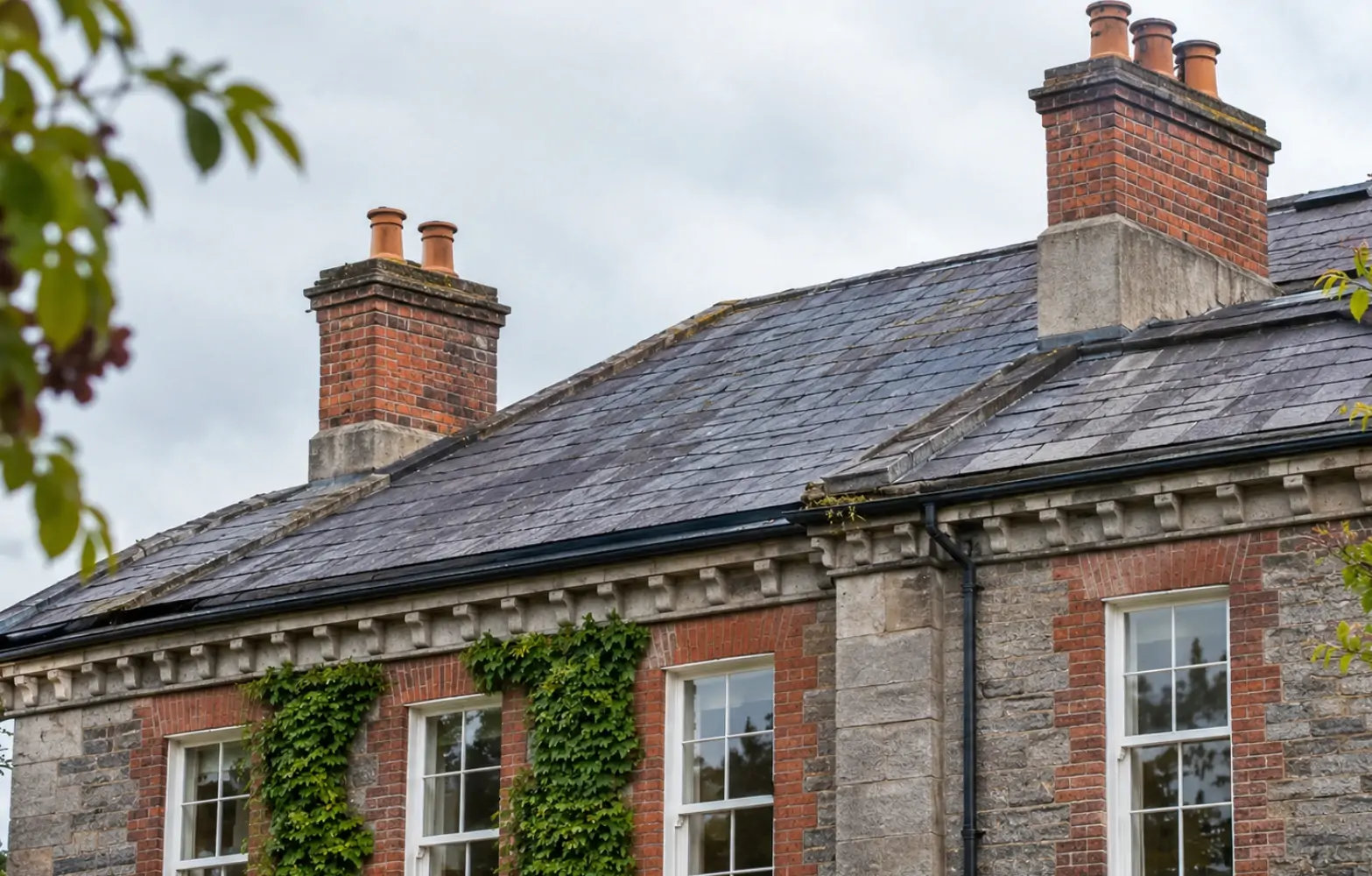
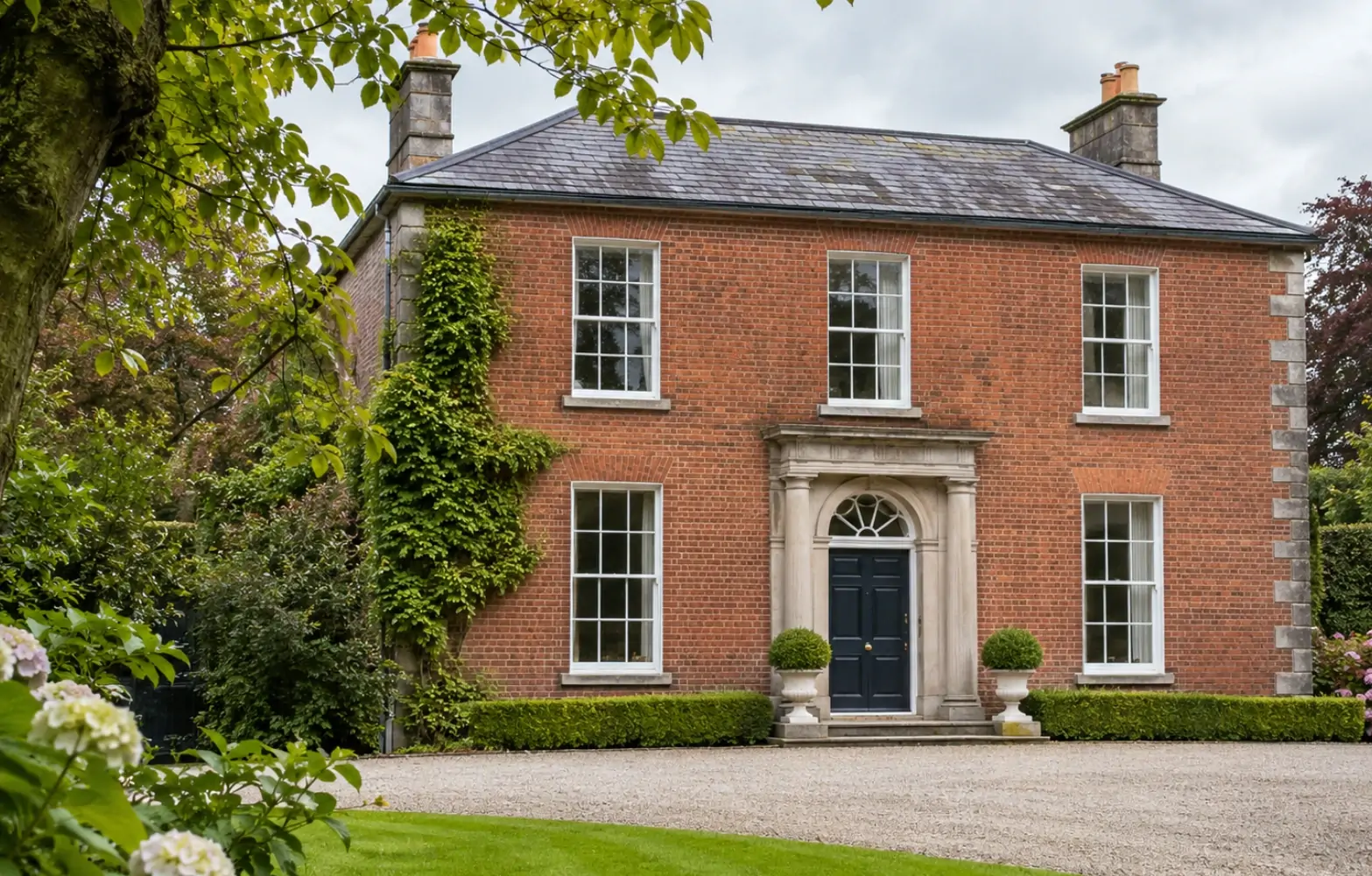
A period property here means a Georgian, Victorian or Edwardian house built with traditional materials and methods: solid masonry walls, lime mortar, timber sash windows and natural slate. A period house’s total reinstatement cost excludes the land.

Does the SCSI Rebuild Calculator Work for Period Homes?
No. The Society of Chartered Surveyors Ireland (SCSI) publishes a House Rebuild Calculator that returns average rebuilding costs by region from your house type and floor area.
Its own page says it covers estate-type houses built in Ireland since the 1960s and should not be used for period properties.
The reason is the standard specification it assumes, set out in the comparison below. Its figures are a minimum base cost of rebuilding, and a minimum for a standard semi-detached house says little about a non-standard house, where the walls and ceilings were made differently.
A rate per square metre cannot show that difference. The table on that page, dated October 2025, puts a three-bed semi-detached house in Dublin at €3,381 per square metre, VAT included.
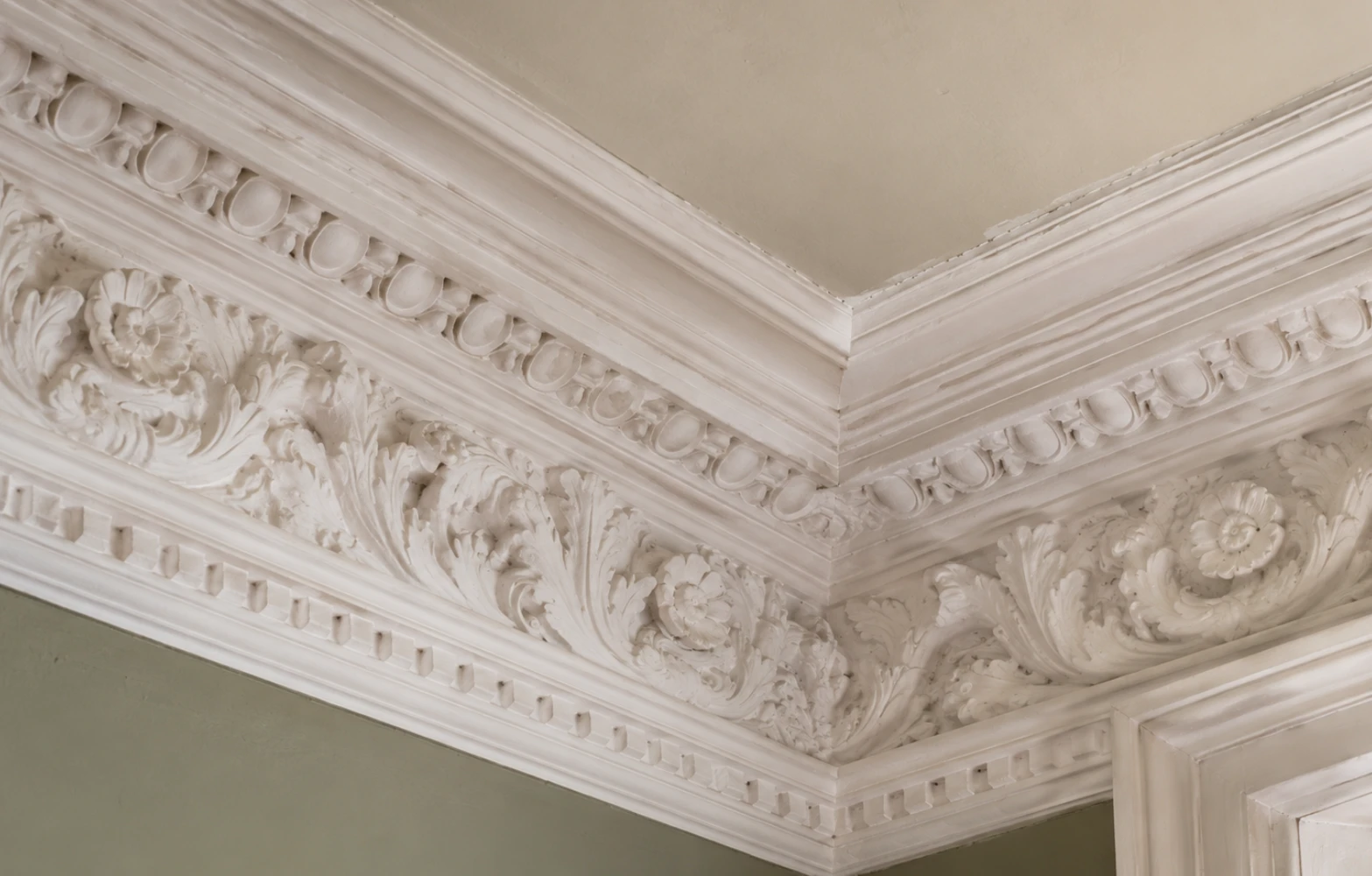
Picture two houses of the same size: a 1980s house with painted plaster and softwood flush doors, and a Victorian or Georgian house with decorative plasterwork ceilings, timber sash windows and a fanlight over the door.
SCSI’s standard specification fits the first. The second can need traditional materials and specialist craftspeople for features like these, so its reinstatement cost can differ widely.
| SCSI calculator | On-site assessment of a period home | |
| Starts from | House type, region and floor area | Your house, recorded on site |
| Specification | A concrete ground floor, softwood flush doors, double-glazed windows, painted plaster and a slate or concrete-tiled roof | The materials actually in your walls, ceilings, windows and joinery |
| Outbuildings, high boundary walls, special fixtures | Left for you to add yourself | Recorded and costed |
| Result | A minimum base cost for a standard house | An itemised figure, built element by element |

What Does a Surveyor Record at a Period Home?
On the day, a surveyor records the walls, the period features and everything around your house. Walls come first: solid stone, brick or a mix, what binds them and how thick they are. Wall construction can affect the cost of what sits on it, and none of it can be read from a floor plan.
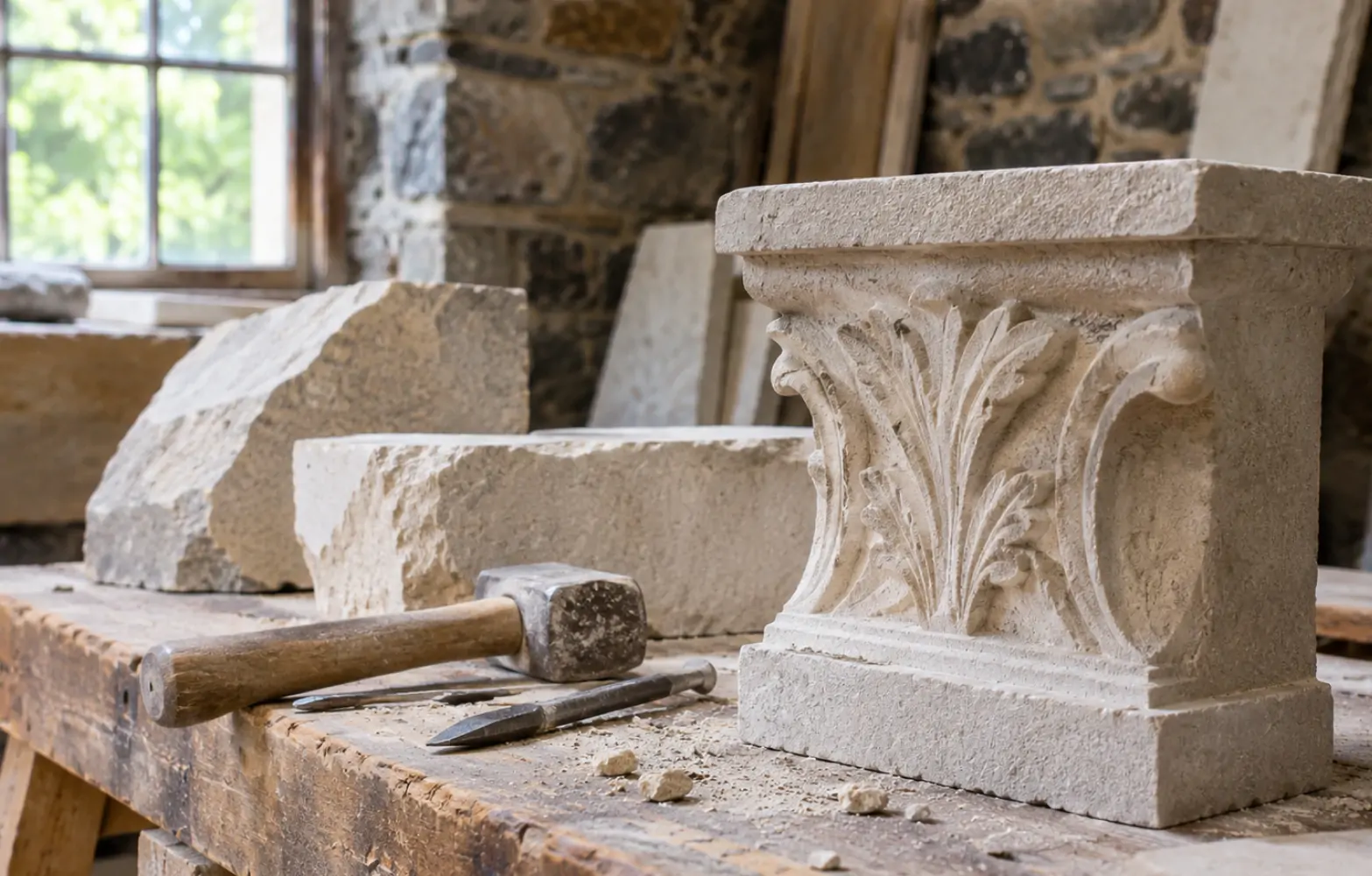
Then the features that make the house what it is: plaster cornicing and ceiling roses, timber sash windows, fanlights, carved joinery, cut stone, chimneys and original floors.
Each is defined and measured, because pricing a replacement means knowing exactly what the replacement is.
Beyond the house itself sit the grounds and additions: outbuildings such as a coach house or detached garage, stone boundary walls, gate piers and any later extension built in different materials from the original.
How Is a Period Home’s Reinstatement Cost Calculated?
The method is called an elemental cost analysis. Your house is broken into its elements, from foundations to finishes, and each is costed separately.
The Irish Georgian Society describes it as the tailored estimate a period property needs in place of a rate per square metre.
What each element costs depends on how the house was built, the features it has and any conservation requirements that apply.
Each element is priced for the material it actually contains, which is what total reinstatement cover is meant to pay for: the same design in the same materials. Traditional materials and the craftspeople who can work them generally cost more, as the same guidance notes.
Around the elements sit costs nobody pictures, such as the fees of the architect, engineer and quantity surveyor who would manage the rebuild. All of them add to the reinstatement cost.
If your period home is also a high-value one, RebuildValuation.ie’s guide to high net worth home reinstatement cost assessments covers the extra cost drivers and how agreed value cover works.
Is Reinstatement Cost the Same as Market Value?
No. The market value of your home includes the land, the location and how much buyers want the address.
The reinstatement cost of a period property covers only the structure and everything needed to reinstate it.
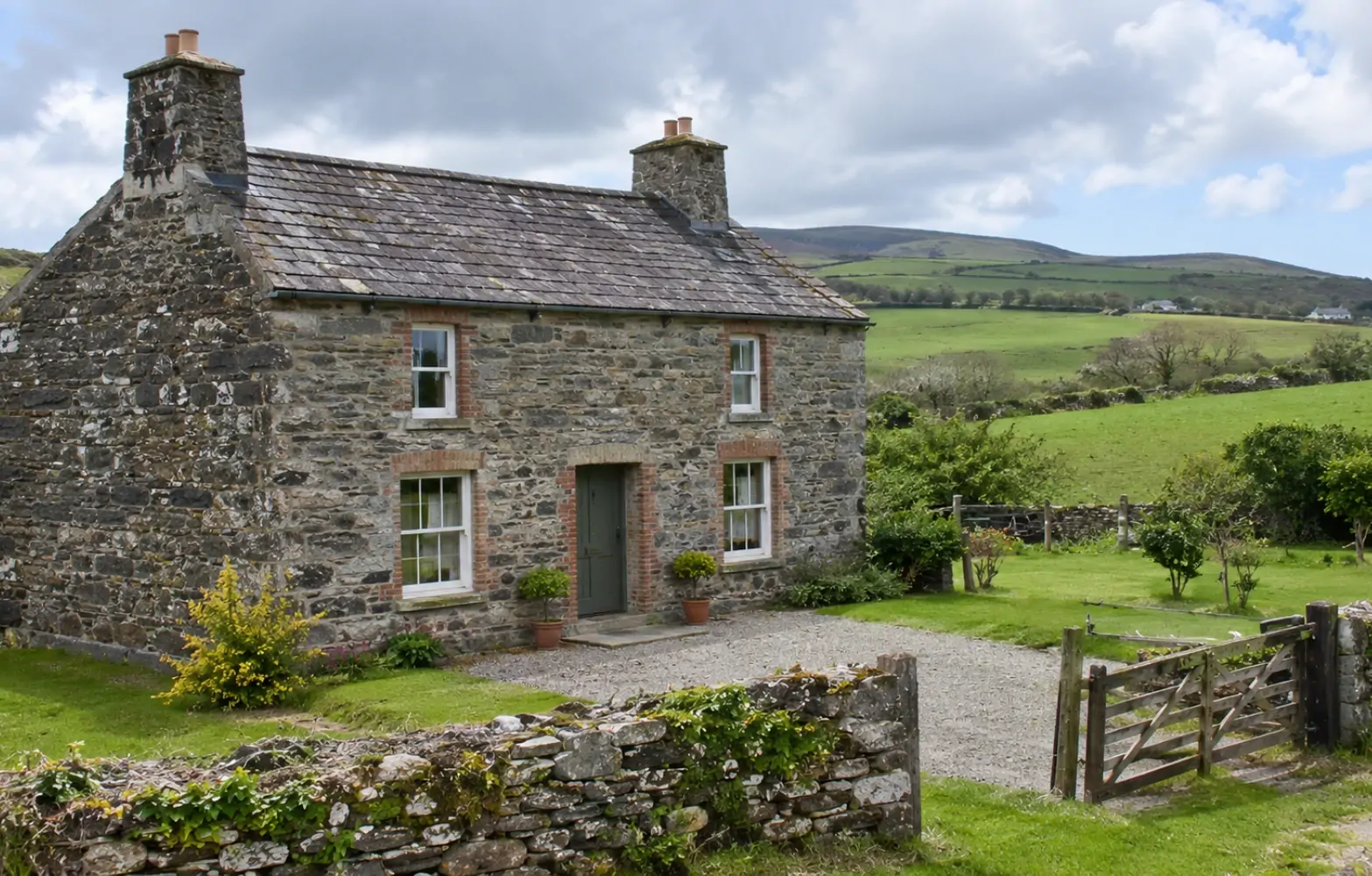
On a period home the two can sit far apart, in either direction. A townhouse in central Dublin can be valued mostly for its address, while a farmhouse in west Cork can sell for far less than it would cost to rebuild in the same stone.
Our guide to market value versus reinstatement cost goes deeper on the difference.
A sale price or a mortgage valuation measures something else, so a sum insured based on either can leave you underinsured, with a payout that falls short of the rebuild.
Most claims are partial, but the sum insured behind a partial claim is still the whole-building figure, so a figure that is too low can trim a small claim too.
Policies differ, so read your wording and ask your broker how your insurer treats a sum insured that falls short.
How Often Should a Period Property Be Reassessed?
Guidance from the Royal Institution of Chartered Surveyors (RICS) recommends an annual adjustment to reflect inflation, a full review every three years, and an earlier review after significant alterations.
Three years is the full-review interval in that guidance, and your insurer’s requirements or work done on the house can call for sooner.
On a period property, some events should prompt a new assessment straight away. Restoration work such as a new slate roof, repaired cornicing or replaced sash windows. An extension.
A change to the interior. Or the discovery that your sum insured came from a calculator or a mortgage valuation. If any of those apply, review the figure now, before your next renewal.
A desktop review updates an earlier on-site figure without a site visit. It can keep a sound figure current while the property is unchanged, but it uses a different method, does not replace an on-site assessment and is not enough after significant alterations.
Our guide on how often to get a reinstatement cost assessment walks through the RICS review cycle step by step and links the RICS standard behind it.
Period Property or Protected Structure?
A protected structure is a building on the Record of Protected Structures, the register a local authority keeps of buildings it protects. Not every period home is on it, and the assessment is built the same way either way.
What changes is what a planning authority may expect you to put back after a loss, which can mean traditional materials and specialist craftspeople, and a higher reinstatement cost.
A building in an Architectural Conservation Area can face similar expectations even if it is not a protected structure. To check your status, ask your local authority’s planning department.
If your property is on the register, our guide to reinstatement costs for protected structures in Ireland covers that side in detail.

Book an On-Site Reinstatement Cost Assessment in Ireland
Booking leads to an on-site inspection and a written reinstatement cost assessment report. It carries a rebuild figure your broker and insurer can work from, so a claim can start from a documented figure. The report is a reinstatement figure for insurance purposes, not a market valuation. It does not replace your broker, who structures the cover and confirms how your policy applies the figure.
Fees depend on the property’s type, size and complexity, so the quickest way to find out what yours involves is to ask. An assessment is a known cost you control before a loss, not a shortfall you discover during one.
We are an RICS-regulated firm specialising in reinstatement cost assessments for owners, brokers and managing agents across Ireland, and every on-site assessment is carried out by a Chartered Building Surveyor.
Your house was built from specific materials by specific hands. The number that insures it should be built the same way, and your next renewal is a good time to check whether yours was.
Book my reinstatement cost assessment to find out what my property would cost to rebuild, using the enquiry form or by calling the office on 086 357 1713 to talk it through first.